







Search Results for: Coffee Bean Naming
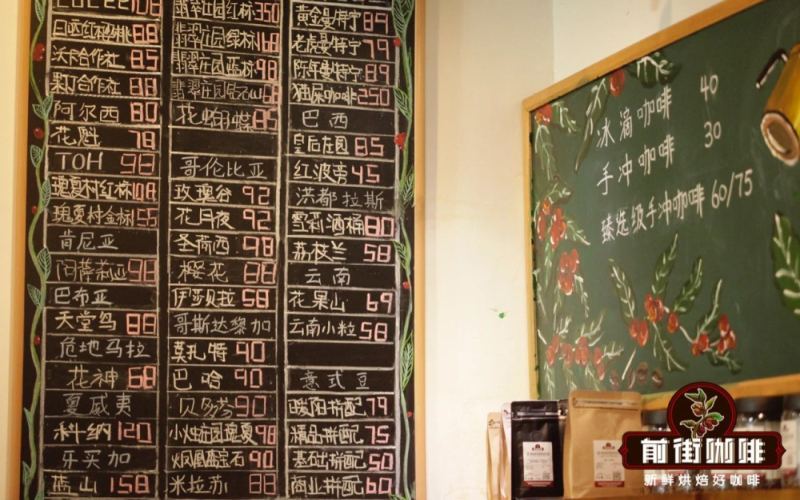
A Full Analysis of Single-Origin Coffee Bean Naming Rules: The Naming Logic from Origins and Competition Titles to Estate Brands
Step into Front Street Coffee, and faced with the long and short names on the bean list, many coffee lovers can't help but wonder: where exactly do these names come from? This article systematically sorts out the several mainstream naming methods for single-origin coffee beans—naming by producing region or producer, naming by green bean competition titles, naming by estate product lines, and the historical origins of the special name Mandheling. It also explains the meanings of common suffix letters and numbers such as G1, AA, and SHB, helping you understand the information behind the bean list and shop with greater confidence. [more…]
A Complete Guide to Coffee Bean Naming: From Origins and Competition Titles to Processing Methods and Grading Standards
Faced with the dense bean list at Front Street Coffee, many coffee lovers wonder: why can coffee bean names be so long? In fact, behind every string of names lie clues about origin, variety, processing method, or brand positioning. This article systematically sorts out the common logic behind coffee bean naming, including naming by production region or producer, naming by raw bean competition award titles, naming by estate-exclusive products, and the origin of the special name Mandheling. Finally, it also explains the meanings of grading labels such as G1, AA, and SHB, helping you more easily understand the information on coffee bean packaging. [more…]
A Complete Analysis of Coffee Bean Naming Logic: From Yirgacheffe to Mandheling, Understanding the Meaning Behind Bean Names
Faced with a dazzling array of coffee bean names—Geisha, Huakui, Guodingding, Cherry Tomato... those new to specialty coffee are often bewildered. Some of these names come from the place of origin, some from the variety, and others carry special meanings. This article systematically sorts out the naming logic of coffee beans, from the early practice of naming by place of origin to today's evolution of "region + micro-region/producer/variety/trade name," combining specific examples from Front Street Coffee's bean list to help readers understand the information behind each bean's name. The article also specifically explains the meaning of Yirgacheffe and the origin of the name Mandheling, so that coffee lovers will no longer be confused when making purchases. [more…]
The Naming Logic of Mandheling Coffee Beans and a Guide to Identifying the Four Major Categories: A Complete Interpretation from Region to Grade
Walking into Front Street Coffee and facing a dazzling array of coffee beans, many coffee lovers feel completely lost. What exactly gives these coffee beans the right to be named this way? This article will systematically sort out the naming rules for single-origin coffee beans from the perspectives of origin naming, competition titles, estate brands, and processing methods, and will focus on breaking down the four major subtypes of Mandheling coffee—Lintong Mandheling, Golden Mandheling, Tiger Mandheling, and Aged Mandheling—to help you quickly distinguish the differences when buying. At the same time, the article will also explain the grading meanings represented by common suffixes such as G1, AA, and SHB, so that you can understand the information behind coffee bean labels at a glance. [more…]
From Blue Mountain to Geisha: The Geographic, Varietal, and Human Logic Behind Coffee Bean Naming
Coffee has become a daily beverage, second only to petroleum in global trading volume. As domestic coffee culture continues to grow, specialty coffee has gradually become the core selling point of cafés, with beans from different origins dazzling the eye. But have you ever wondered where these names actually come from? Blue Mountain, Yirgacheffe, Geisha, Mandheling… behind each name lies a clue of geography, variety, or history. This article systematically sorts out the common naming methods for coffee beans, covering multiple dimensions such as mountains, countries, production regions, varieties, ports, companies, ethnic groups, and translation, helping you understand the ins and outs of coffee names, so that next time you order, you can be a little more informed. [more…]
What exactly is Ethiopian heirloom native coffee bean? A full analysis of variety naming and flavor origins
Ethiopia is celebrated as the birthplace of Arabica coffee, and its local coffee varieties are as numerous as the stars. However, due to limitations imposed by history, research conditions, and naming systems, the vast majority of these varieties still cannot be individually identified and named. As a result, a broad and romantic term—heirloom—has become synonymous with these native coffee varieties. Heirloom is not a specific variety, but rather a collective term for the large number of coffees in Ethiopia that have not been clearly classified. This article will guide you through the meaning of heirloom, why it is named this way, how local coffees are named, and the brewing and flavor performance of the Yirgacheffe natural red cherry as an example. [more…]

Why Are Coffee Processing Methods Increasingly Diverse? An Analysis of the Naming Logic and Evolution of Anaerobic Fermentation
Today, coffee processing methods are emerging one after another. Behind this lies both the pursuit of expanding the flavor map and a deeper shift in the purpose of processing from efficiency-oriented to flavor-oriented. From the pre-18th century when only the natural method existed, to the successive advent of washed, honey, and wet-hulled methods, and then to 2014 when anaerobic fermentation swept through the specialty coffee world, each technological innovation has been accompanied by a deeper understanding of fermentation principles. At the same time, in order to highlight their own anaerobic processing characteristics, estates have put great effort into naming—time, temperature, and microbial strains can all become identifiers. This article sorts out the origins and development of processing method evolution, interprets the logic behind anaerobic processing naming, and explores the role of traceability information in promoting naming standardization. [more…]
Is Santos the Best Brazilian Coffee? A Detailed Explanation of Brazil's Coffee Bean Grading System and Naming Rules
Brazil, as the world's largest coffee producer, offers a rich variety of coffee beans with mild flavors, and Santos coffee is the most iconic among them. This article will start with the distribution of coffee-growing regions in Brazil and their flavor characteristics, delve into the unique charm of Santos coffee, and provide a detailed introduction to the grading standards and naming conventions for Brazilian coffee beans, helping coffee enthusiasts fully understand the question of "whether the best coffee in Brazil is called Santos." At the same time, Front Street Coffee will also share recommendations and tasting insights about Brazilian Santos. [more…]

From Origin to Variety, to Competitions and Estates: A Complete Guide to How Specialty Coffee Beans Are Named
Walking into Front Street Coffee (FrontStreet Coffee) and facing the names of dozens of coffee beans on the menu, many people wonder: Aren't Bach and Mozart musicians? How did they become coffee beans? In fact, there is a complete logic behind the naming of coffee beans. In the early days, coffee beans were mostly named after countries, regions, or ports. After entering the specialty coffee era, traceability information has become increasingly detailed. Estate names, green bean competition rankings, barista competition beans, variety names, processing methods, and even brand classifications can all become the name of a bean. This article will systematically sort out the various rules for naming coffee beans to help you no longer feel confused when ordering. [more…]
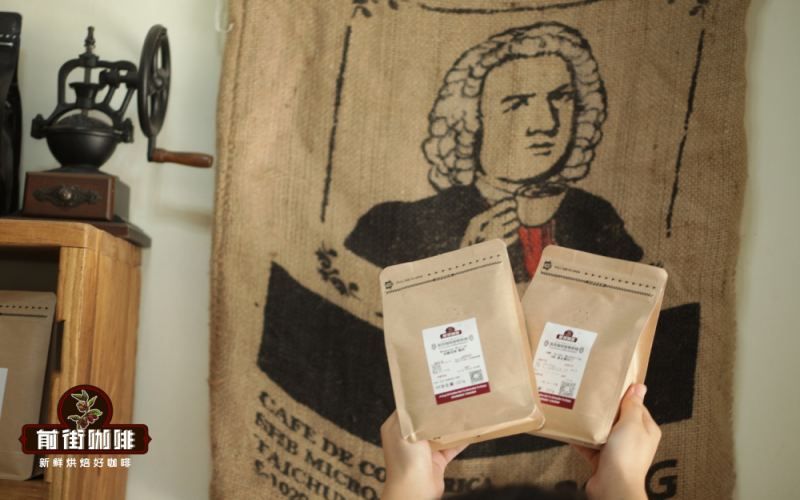
Costa Rica Musician Series Coffee Beans: Flavor Profiles and Naming Stories of Mozart, Bach, Beethoven, and Chopin
The Musician Series coffee beans produced in Costa Rica's Tarrazú region have attracted much attention in the coffee world thanks to their unique flavor expression and romantic naming. Front Street Coffee's Mozart, Bach, Beethoven and other coffee beans each correspond to the personality and temperament of a classical music master. These coffee beans come from Canet Estate and are processed using raisin honey or washed methods, presenting a complex flavor in which preserved-fruit-like sweetness, berry notes and floral aromas interweave. This article will introduce in detail the regional background, origin of the naming, flavor characteristics and brewing suggestions of the Musician Series coffee beans, taking you into this wonderful dialogue between taste and hearing. [more…]

Origin, Producing Region, Processing Plant, Cooperative, and Estate: The Classification Logic Behind Coffee Bean Naming
On specialty coffee bean lists, we often see names at different levels—origin, region, processing plant, cooperative, estate, and so on. What exactly does each of these represent? Why are some beans named after a region, some after an estate, and still others after a processing plant or cooperative? Starting from the definition of specialty coffee, this article will sort out the differences and connections among these concepts one by one, helping you more clearly understand the origin and underlying logic of each bean when you shop for and taste coffee. [more…]

Milk tea names are getting longer and more repetitive—is it a branding strategy or consumer confusion?
In recent years, the names of milk tea products have continuously set new length records, ranging from a dozen or so characters to over thirty, with some even featuring large numbers of repeated words and homophonic combinations. Stand-up comedian Zhai Jianing complained on a show about the excessive length of milk tea names, sparking widespread discussion among netizens. Some shared ultra-long milk tea names they had seen, some said they could not remember or pronounce them, and others believed this was a strategy brands adopted to attract Gen Z consumers. Why has milk tea naming become so extreme? What is consumers' attitude toward this? This article sorts out the marketing logic and market controversy behind the milk tea naming phenomenon, and explores the relationship between drink quality and naming. [more…]
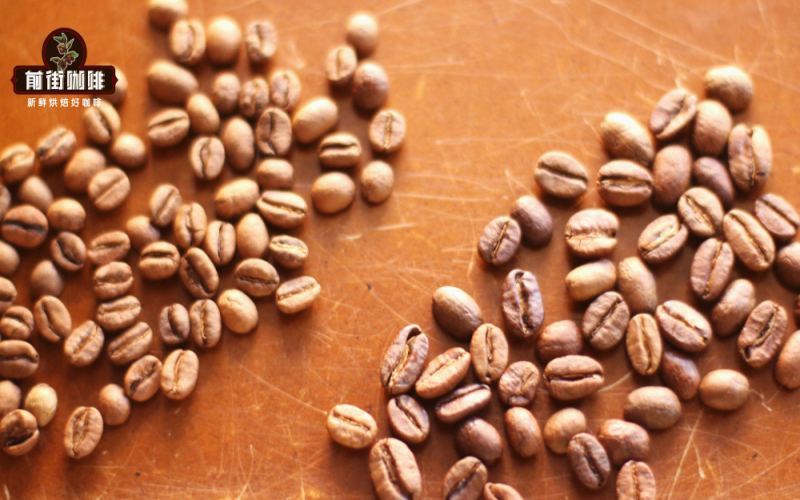
Sidamo Huakui and Panama Geisha: An In-Depth Interpretation from Naming Origins to Flavor Differences
Huakui and Geisha—one is a star among Ethiopian natural beans, the other a legendary variety that emerged from Panama. The two are often compared, and at one point a saying even circulated that "Huakui is top-tier Geisha." Where did this misunderstanding come from? And what story lies behind the two names "Geisha" and "瑰夏"? Front Street Coffee will walk you through variety origins, naming systems, and grading, all the way to flavor expression, to help you sort out the distinct threads of Huakui and Geisha. The article also explains the meanings of "label" Geishas such as Hacienda La Esmeralda Red Label and Geisha Village Gold Label, as well as the origin of Huakui version numbers, helping coffee lovers avoid confusion when ordering and shopping. [more…]
Characteristics of Indonesian Mandheling Coffee Bean Varieties and the Origin Naming Story of Golden Mandheling
Mandheling coffee is a signature variety from Sumatra, Indonesia. Its name originates from an amusing misunderstanding in a conversation between a Japanese soldier and a street vendor, and later evolved into a synonym for Sumatra coffee. Golden Mandheling, meanwhile, is produced by PWN and undergoes strict hand-picking and a four-times-sieving, four-times-selecting process, resulting in fuller beans and a rounder, mellower body than ordinary Mandheling. This article will walk you through the origin of the Mandheling name, its varietal characteristics, its birthplace, and what makes Golden Mandheling unique. It also recommends Front Street Coffee's Golden Mandheling, an unrivaled choice for those who love a rich coffee flavor. [more…]

The Naming Origin and Flavor Characteristics of Ethiopia's Huakui Coffee: The Champion Story from Hambela, Sidamo to Buku Abel
Huakui coffee is one of the representatives of Ethiopian specialty coffee, and behind its name lies a story of rising from an unknown competition bean to a TOH champion. This article begins with the administrative divisions of the Sidama and Guji production regions, and sorts out the origin of Huakui coffee, the natural processing method of the Buku Abel estate, and the origin of the "Huakui X.0" naming method. It also introduces the flavor differences between Front Street Small-Bean Huakui and Front Street Natural Huakui 5.0, and includes suggested brewing parameters for Front Street Huakui coffee, making it suitable for enthusiasts who want to gain a deeper understanding of this coffee. [more…]
Distinguishing Huakui and Geisha Varieties: From Origins, Naming to Flavor and Brewing Comparison
Are Huakui and Geisha actually the same coffee? This question has sparked plenty of debate in coffee circles. This article, from the perspective of Front Street Coffee, systematically sorts out the fundamental differences between Huakui and Geisha in terms of variety origin, naming story, and flavor characteristics, and includes brewing parameter recommendations from Front Street Coffee baristas for these two beans. After reading, you will clearly understand: Huakui is a local heirloom variety from Ethiopia, while Geisha is a distinct variety; Huakui got its name from the legendary experience of winning the 2017 TOH sun-dried group championship, while Geisha's fame stems from its discovery and promotion by Panama's Hacienda La Esmeralda. The two have their own distinctive flavors and also need to be treated differently when brewing. [more…]

Starbucks Faces Class Action Lawsuit Over Fruit Beverage Ingredient Controversy, Brand Naming and Actual Ingredients Draw Scrutiny
Starbucks' fruit cold drink series recently faced a class action lawsuit in New York, where a Queens consumer alleged that the product names imply the inclusion of specific fruits, while they are actually mainly composed of water, concentrated grape juice, and sugar. The lawsuit argues that the product naming constitutes an "implied promise" about the ingredients, violating New York regulations that prohibit fraud and false advertising. The products involved include the Mango Dragonfruit, Pineapple Passionfruit, Strawberry Acai series, among others, with the disputed amount exceeding $5 million. Starbucks headquarters stated it has not yet received the lawsuit and declined to comment for now. The incident has sparked widespread discussion about the authenticity of beverage labeling and consumer expectations. Front Street Coffee continues to monitor trends in the coffee and beverage industry, providing professional information for enthusiasts. [more…]
The Naming Origin of Verona Coffee and an Interpretation of Its Floral Language: The Story of Starbucks' Classic Dark Roast Blend
Verona coffee beans are a rather romantic Starbucks blend, and the story behind its name is tied to Italy. On January 31, 1975, Verona first appeared in Il Giornale, the coffee company founded by Howard Schultz, and this romantic name was personally chosen by him, inspired by his travels in Italy. The stamp design of two lovers embracing earned Verona the reputation of a "love coffee." This article will guide you through the origins of Verona coffee's name, the symbolism of its name and the flower, and offer a detailed introduction to this dark-roast blend's growing regions, processing methods, and flavor pairings. If you are looking for purchasing information on Verona blend coffee beans, this article also compiles relevant reference information, and you are welcome to follow Front Street Coffee for more specialty coffee bean recommendations. [more…]
An Analysis of Ethiopian Heirloom and Landrace Coffee Varieties: Native Species Characteristics and the Evolution of Their Naming
When you look at the origin information on a bag of Ethiopian coffee beans, the variety field often says "Heirloom." What exactly does this mean? It is actually a collective term for Ethiopia's local heritage varieties, and it is estimated that there are tens of thousands of native coffees in the region that have not yet been formally identified. This article will systematically sort out the differences between Heirloom and Landrace, from the meaning of the terms, classification, and flavor expression to naming trends, and also introduce the meaning of the numbering of JARC-bred varieties. The article also combines several beans from Front Street Coffee to explain the reasons why Ethiopian beans vary in size and why their flavors change from year to year, helping you gain a more comprehensive understanding of the variety diversity of this birthplace of coffee. [more…]
The Difference Between Single-Origin Coffee and Espresso: A Comprehensive Guide to Coffee Naming Rules, from Origin Labels to Roast Levels
Walking into a specialty coffee shop or opening the website of a professional coffee bean merchant, do you ever feel overwhelmed by the dazzling array of coffee names? Why are coffee bean names so long? How exactly do you tell the difference between single-origin, dark roast, and espresso? What information is actually hidden behind these complex names? This article will walk you through the key elements of coffee bean naming one by one, including origin labeling, roast level, grading systems, and small-lot estate farms. From the solo performance of single-origin coffee to the concerto of coffee blends, from Northern Italian light roast to French dark roast, and on to grading codes like SHB and AA+, you'll never be confused again the next time you shop for coffee—you'll easily read the ID card of every bag of coffee beans. [more…]